Some Months Later . . .
“Have you lost your mind?” Oren stepped away before the Gibbor’s touch could bind him. “I can’t enter Casoria. My hands are stained with their blood.”
“Their hands are stained as well,” The Gibbor replied. “One of the unsightly results of war.”
“I will be killed on sight.”
“We are under a truce.” At Oren’s incredulous look, he added, “I trust Ranald. Nor would I send the son of my heart into mortal danger.”
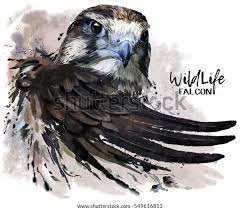
Oren nodded, then quickly looked away. He knew the Gibbor’s words were true. There was very little the Seer wouldn’t do for the boy he’d found on the Southern Plains, standing in shock over what was left of his ravaged parents. On that hot, dry day, the Gibbor had been flying high, but when he’d spotted the carnage below, he’d descended, changing into his man-shape before landing. He’d gestured to the boy, but the boy hadn’t moved. He’d talked to him, but the boy hadn’t answered. He’d waved his hand in front of the boy’s face, but his expression hadn’t altered. Indeed, the Gibbor wondered if the child would ever come back from that inner chamber of horror, but he’d lifted him anyway, flying back to the camp. If the boy had noticed he was being carried by a falcon nearly the size of a man, he gave no indication.
Upon landing, the tribe had immediately closed around them. The Pentacas were clannish; besides, they recognized him. He was Oren, son of Doren and Fredda. His parents had gone to hunt the shaggy wapiti as they migrated across the plains and taken the boy. He’d already shown an unusual prowess for hunting. He was said to have been fearless as well.
“What has happened, little one?” asked a mother, clutching one of her own.
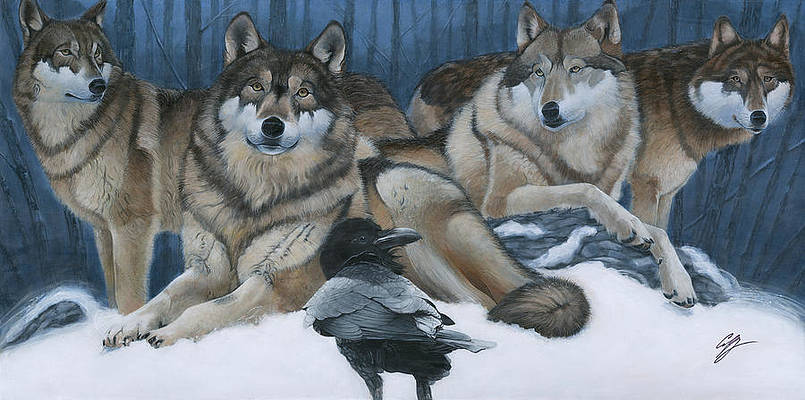
“Wolves,” At the sound of the woman’s voice, the boy broke his silence. “Wolves from the Nevers. Father told me to run.”
That he hadn’t run but had watched was evident. No more was said to him, then or later, though the Elders discussed the appearance of wolves on the Southern Plains and had gone to fetch what was left of Doren and Fredda, giving them a decent burial. Oren had been raised by the clan, with the Gibbor as his first father.
copyright Joan Spilman, 2023
joanspilmanbooks.com


wapiti is a native american word, not if its lakota or dine, or apache, i’ll have to look that but, but that’s interesting that you chose that, add intrigue for me.
LikeLike
I wanted an animal that would support a tribe and wapiti sounded more exotic than elk. Plus, I’m writing from West Virginia and once there were plenty of elk in this state (a few have been released some three years ago near the panhandle) and there were several Indian tribes. Blackfoot and Apache, Moundbuilders. I did research on Indian influence while working on a section of another story that included the Guyandotte River area. Back to point. We have lots of references to elk — Elkins (a town), Elk River, Elkview and on it goes. Kanawha is an Indian word and is our largest river and Guyandotte was once an Indian word, but bastardized by the English. It originally meant deep, narrow river and had fresh clams. All this was destroyed by New York and Pennsylvania timber men.
LikeLiked by 1 person
it gives your story an essence of time and place, a time before time feel. i like the way your characters are developing.
LikeLike